Day Trading and the Futures Market: How the Pieces Fit Together
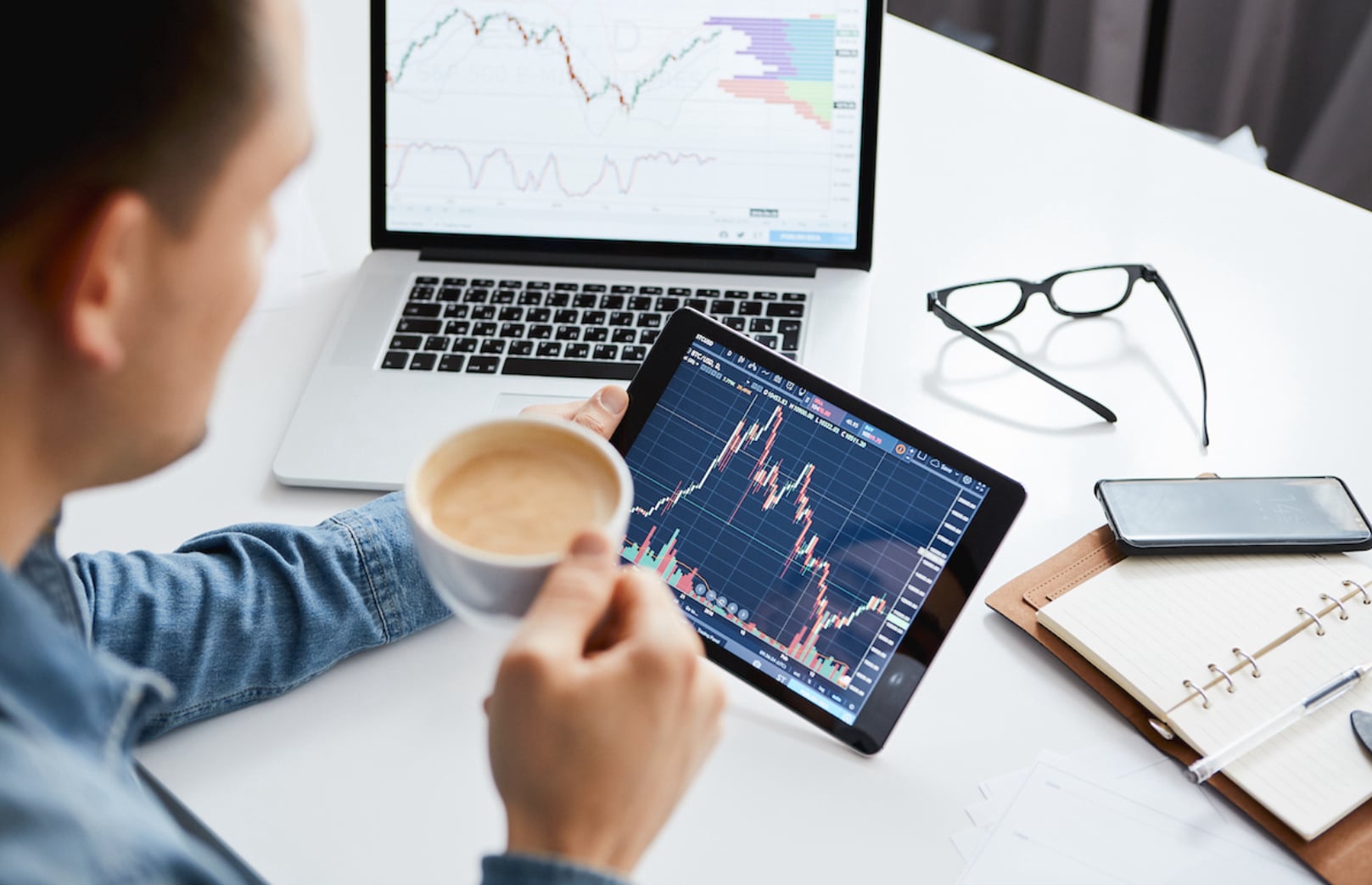
Day trading involves short holding periods and a focus on intraday movement. Participants in this style rely on trading charts that update minute by minute. Stock analysis in this context tends to emphasize volume, volatility, and timing. The futures market attracts similar attention because contracts trade nearly around the clock. Readers interested in day trading often study both stock charts and futures market behavior to compare patterns.
The futures market has its own characteristics that shape how charts look. Contract expirations, margin requirements, and session hours all influence price behavior. Technical analysis helps describe these features without assuming they repeat exactly. Trading charts for futures often show longer continuous sessions than stock charts. This difference is useful for readers who want to understand how market structure affects chart reading.
Stock analysis and day trading overlap in their emphasis on discipline. A trader who reviews stock charts before the session opens is practicing a form of preparation. Similarly, studying the futures market in advance helps readers anticipate how volume may shift. Technical analysis supports this preparation by offering a shared vocabulary. The result is a more organized approach to reading trading charts throughout the day.